
The intriguing evolution of gambling A journey through history with Chicken Road 2 Game
The Origins of Gambling
The practice of gambling can be traced back thousands of years, with evidence found in ancient civilizations such as China, Egypt, and Rome. These early forms of gambling often involved betting on the outcomes of various events, from athletic competitions to games of chance. In ancient China, for instance, keno was played as a form of lottery, a practice that laid the groundwork for modern gambling. Each civilization had its unique rituals and games, reflecting their cultural values and societal norms. Today, many enjoy the engaging aspects of the Chicken 2 Road Game, which captures the spirit of tradition mixed with innovation.
As societies evolved, so did the methods of gambling. The introduction of dice in the Roman Empire marked a significant advancement, allowing for more structured gameplay. Romans were known for betting on gladiatorial games, where the outcome was uncertain, and wagers were placed heavily. This early form of organized gambling not only showcased the human desire for risk and reward but also established a social component, as people gathered to partake in these thrilling events.
With the spread of trade routes and cultural exchanges, gambling practices traveled across the world. The introduction of playing cards in the 14th century transformed gambling into a more strategic endeavor. This development set the stage for various card games that remain popular today, linking the past to contemporary forms of gambling. The evolution of these games showcases the adaptability of gambling, which continues to thrive even in modern contexts.
The Rise of Modern Gambling
The 19th century witnessed the emergence of modern gambling establishments, as casinos began to spring up in major cities across Europe and America. This era marked a shift towards more structured gaming environments where individuals could experience a plethora of games under one roof. The establishment of Las Vegas as a gambling hub in the mid-20th century revolutionized the industry, turning gambling into a glamorous pastime. The glitzy casinos offered not only games but also entertainment, dining, and an experience that attracted millions.
During this period, the concept of gambling odds gained prominence. Understanding odds became essential for players looking to optimize their chances of winning. The rise of statistical analysis in gambling helped individuals make informed decisions. This evolution paralleled the growth of technology, which facilitated the dissemination of information and strategies that improved gambling outcomes, enhancing the thrill of the game.
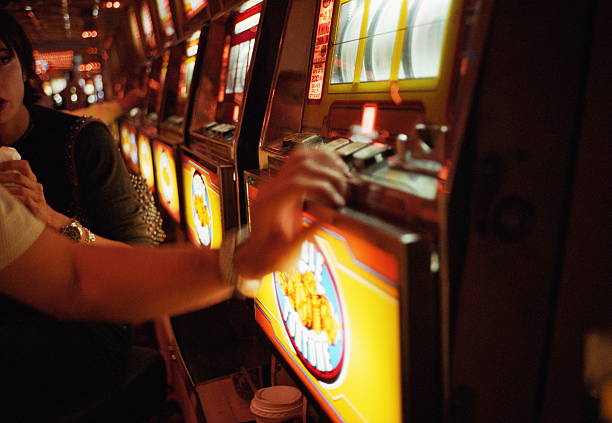
The introduction of slot machines in the late 19th century added a new dimension to gambling. With their simple mechanics and potential for huge payouts, slot machines quickly became a favorite among players. The allure of hitting the jackpot, combined with easy accessibility, contributed to their rapid popularity. The transformation of gambling into an entertainment industry was solidified as slot machines became ubiquitous, leading to the development of various themed games and innovative play mechanisms.
The Digital Transformation of Gambling
With the advent of the internet in the late 20th century, gambling underwent another transformative phase. Online casinos emerged, allowing players to engage in their favorite games from the comfort of their homes. This shift made gambling more accessible than ever before, attracting a new audience that preferred the convenience of online play. The digital landscape opened avenues for innovative games and platforms, catering to diverse preferences and gaming styles.
The rise of mobile gaming has further revolutionized the industry. Players can now access casinos and games on their smartphones and tablets, making gambling a part of daily life. The convenience of mobile gambling encourages spontaneous play, where users can enjoy games during their commutes or while relaxing at home. This shift has led to the development of numerous mobile-specific games, enhancing user engagement through optimized gameplay.
Among these innovations is the chicken road 2 game, which exemplifies the creativity and strategic engagement present in today’s gambling landscape. This game offers a unique blend of skill and chance, requiring players to navigate challenges while considering the odds of success. Its high return to player (RTP) percentage further enhances its appeal, allowing players to immerse themselves in a captivating gaming experience that reflects the evolution of gambling.
The Strategic Element in Gambling
Understanding gambling odds has become a critical skill for players seeking to maximize their potential returns. The odds determine the likelihood of winning in games of chance, providing insight into the risk versus reward dynamic. In games like chicken road 2, players must make strategic decisions about when to cash out to secure their winnings. This element of strategy adds depth to the gameplay, encouraging players to analyze risks carefully before making their moves.
Moreover, the emphasis on strategic decision-making aligns with the modern player’s desire for engagement and participation. As players navigate through the game, each successful step enhances their potential payout, promoting a thrilling experience while also requiring them to weigh the consequences of their choices. This intricate balance between risk and reward keeps players returning, eager to improve their skills and optimize their gameplay.
As gaming technology continues to evolve, so does the integration of strategies and analytics into gambling. Players can now access tools and resources that provide insights into odds and probabilities, empowering them to make informed choices. This trend not only enhances the gaming experience but also cultivates a community of informed players who share strategies and tips, contributing to a richer gambling culture.

Exploring Chicken Road 2 Game
Chicken road 2 is an exemplary representation of the evolution of gambling, combining traditional elements with modern gaming mechanics. Players embark on a journey, guiding a chicken across tiles while avoiding traps, which adds an entertaining twist to the concept of risk management. With adjustable difficulty modes, the game caters to both newcomers and seasoned gamblers, providing a platform where players can hone their skills and strategies.
The game’s high RTP of 98% positions it as a favorable option for players looking to maximize their returns. This transparency in payout potential fosters trust among players, encouraging them to invest their time and resources into the gameplay. The chicken road 2 demo further enhances the experience, allowing players to familiarize themselves with the mechanics before wagering real money, an essential step for those new to the gambling world.
Additionally, the chicken 2 road game offers a unique combination of fun and strategy. Players must weigh their options carefully at each step, deciding when to cash out for increasing multipliers. This strategic element not only heightens the excitement but also mirrors the historical evolution of gambling, where strategy and informed decision-making have become essential components in maximizing outcomes.