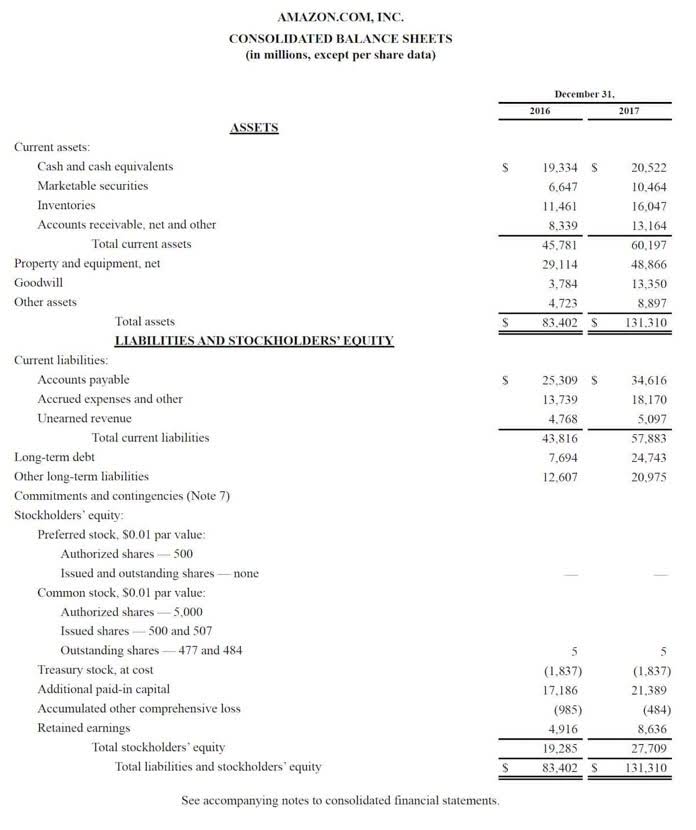
The DuPont model divides the calculation for return on equity (ROE) into three drivers. The DuPont analysis, which is a financial assessment method, was conceived by the DuPont chemical company as a tool for internal review. This ratio is often used by investors to find how leveraged a company is. When determining whether a company’s debt multiplier is high or low, it is important to consider factors such as the norm for the industry as well unearned revenue as its historical usage. Orb is a billing platform designed to help companies turn pricing into a lever for revenue growth.
Equity Multiplier vs Debt To Equity Vs Debt Ratio
- In this section, we will delve into the components that make up the equity multiplier and explore their significance.
- Conversely, a lower equity multiplier may indicate a more conservative approach to financing and a lower risk profile.
- It is necessary for every investor to take a look at other companies in similar industries and look at different financial ratios.
- The equity multiplier varies across industries based on their capital intensity and financial risk tolerance.
- A higher equity multiplier suggests that a company relies more on debt to finance its assets, which could indicate higher financial risk.
- Let’s assume Company A has a total asset value of $100,000 million, and Company B has total assets at $250,000 million.
The equity multiplier shines a light on this aspect by indicating the degree to which a company relies on debt. When calculating the equity multiplier, one needs to know the total value of a company’s assets and the amount https://gamebaidoithuong30.net/payables-financing-meaning-types-benefits-for-2/ of its total shareholders’ equity. This indicator gives an indication of the ratio of assets raised from shareholders’ funds to those acquired through debt financing. The Equity Multiplier indicates the level of financial leverage employed by a company.
- The same leverage that doubled ROE in profitable times will double losses when margins turn negative.
- Depending on the industry standard, businesses can determine whether this ratio is higher or lower.
- Your equity multiplier indicates whether your debt ratio is approaching risky territory.
- While the equity multiplier is a powerful tool, it is not without its limitations.
- In such a situation, the company might find itself in financial distress or even bankruptcy.
- This ratio illustrates how much of the business’s assets are financed by equity compared to liabilities.
- By calculating the ROE under DuPont analysis, the investor gets a clear idea of how much operational efficiency the company has plus how much efficiency of the assets the company has achieved.
The Relationship between ROE and EM
Monitoring equity leverage is vital because it directly impacts a company’s financial health, risk profile, and overall performance. Leverage is the extent to which a business utilizes liabilities (including debt funding) relative to equity funding, to finance its operations. The equity multiplier is a financial ratio that reveals the proportion of a company’s assets financed by shareholders’ equity rather than debt. It’s also known as the financial leverage ratio and serves as a gauge of financial risk.
- Companies that carry a higher debt burden will have higher debt servicing costs which means that they must generate more cash flow in order to sustain a healthy business.
- Equity, while more expensive due to dividend expectations and dilution of ownership, does not carry the same risk of insolvency.
- Understanding these dynamics is crucial for both management and investors.
- It is a very useful metric for both management and stakeholders who get an idea about the financial ability of the company to absorb risk.
- However, if the market turns and the new stores don’t perform as expected, the company could face financial strain due to the increased debt burden.
- The degree of financial leverage (DFL) measures the sensitivity of earnings per share to fluctuations in operating income, indicating how much EPS changes with every unit change in EBIT.
Leverage Larry’s Corporation:

Let us say Waterfront Company has $30 million worth of assets and the stakeholder’s equity of $6 equity multiplier ratio million. That further means 20% of the company’s debts are financed through debt and that investors finance the remaining 80% of the assets. Here, “Total Assets” include both tangible and intangible assets, while “Total Equity” represents the shareholders’ equity.

Importance in Financial Analysis
By closely monitoring the utilization of your equity, you can ensure that it is being utilized optimally and in line with your investment goals. This section will delve into the various considerations and strategies involved in monitoring and adjusting equity utilization. A “good” multiplier depends on your industry average, amount of debt, and stability of earnings. Lenders look closely at this ratio before extending credit, especially when interest rates rise.